



³ªÀ̽ººÏ - Nice Book

ÀâÁö
¼Ò°³
»çÀºÇ°
¹ßÇà
¹è¼Û
Ç¥Áö
¸ñÂ÷
ÀâÁö
¸Àº¸±â
±¸µ¶ Àü È®ÀλçÇ×
 

¡Ø ȯºÒ/ÁßµµÇØÁö °øÁö
ÇØ¿Ü Á¤±â±¸µ¶Àº ÇØ¿Ü¿¡ ¼ÒÀçÇÑ °¢ ¹ßÇà»ç¿¡ ¸ðµç ´ë±ÝÀÌ °áÁ¦µÈ ÈÄ ÀâÁö°¡ ¹è¼ÛµÇ´Â ½Ã½ºÅÛÀ¸·Î, ÇØ¿ÜÀâÁö¸¦ ½ÅûÇÏ´Â ¾÷¹« ÀÚüµµ ó¸® ½Ã°£ÀÌ ¸¹ÀÌ °É¸®°í, ±¸µ¶Ãë¼Ò/º¯°æ½Ã ÇØ¿Ü¹ßÇà»çÀÇ ±ÔÁ¤, ÇØ´ç ±¹°¡ÀÇ ±ÔÁ¤ µîÀÌ »óÀÌÇÏ¿© ±¸µ¶Ãë¼Ò ¹× º¯°æÀÇ ¾î·Á¿òÀÌ ÀÖÀ¸¹Ç·Î ½É»ç¼÷°íÇÏ¿© ±¸µ¶½ÅÃ»ÇØÁֽñ⠹ٶø´Ï´Ù.


¡Ø ¹è¼ÛÀÏÀÌ °øÈÞÀϰú °ãÄ¥ °æ¿ì Áö¿¬µÇ¾î ´Ê°Ô ¹è¼ÛµÉ ¼ö ÀÖ½À´Ï´Ù.

   ÇØ¿ÜÀâÁöÀÇ °æ¿ì ÇöÁö ³» ¿î¼Û »óȲ¿¡ µû¶ó ±¹³» ÀÔ°í°¡ ´Ê¾îÁú ¼ö ÀÖ½À´Ï´Ù.


 - ÁÖ¼ÒÁö°¡ º¯°æµÇ¼ÌÀ» °æ¿ì ¼ö·ÉÀÚ°¡ Á÷Á¢ ÁÖ¼Òº¯°æÀ» ½ÅÃ»ÇØÁÖ¼¼¿ä.

   ³ªÀ̽ººÏ °í°´¼¾ÅÍ : 02) 6412-0125~9 / nice@nicebook.kr


Frame ÇÁ·¹ÀÓ (³×´ú¶õµåÆÇ) (°Ý¿ù°£/1³â)

Frame Magazine
½Ç³» °ÇÃàÀÇ ´ëÇ¥ÀûÀÎ ÀâÁö·Î¼­ ´Ù¾çÇÑ À帣ÀÇ ½Ç³»°ÇÃàÀ» ¼Ò°³Çϰí ÀÖ½À´Ï´Ù. ¸ÅÈ£¸¶´Ù Å׸¶º°·Î ¹ßÇàÇϸç, ÆÐ¼Ç, µð½ºÇ÷¹ÀÌ, ÀÎÅ׸®¾î, ÀÛǰ¼ºÀÌ ÀÖ´Â ½Ç³»°ÇÃàµî ´Ù¾çÇÏ°Ô ½Æ°í ÀÖ½À´Ï´Ù. ½Ç³»°ÇÃàÀÇ Àü¹®°¡³ª °ø°£À» ÀÌ¿ëÇÑ ÀÎÅ׸®¾î¸¦ ¿¬±¸ÇϽô ºÐ²² ÃÖ°íÀÇ ÀÚ·áÁýÀÌ µÉ °ÍÀÔ´Ï´Ù.

---

1) ÀϹÝÀûÀΠ¼Ò°³ (¹ßÇà»ç, ¹ßÇàÁÖ±â, ¼º°Ý)


- ¹ßÇà»ç: Frame Publishers (³×´ú¶õµå, ¾Ï½ºÅ׸£´ã)

- ¹ßÇàÁÖ±â: °Ý¿ù°£ / ¿¬ 6ȸ

- ¼º°Ý: ÀÎÅ׸®¾î, °ø°£ µðÀÚÀÎ, °ÇÃà, Àü½Ã µðÀÚÀΠÀü¹®Áö


2) ÀâÁöÀǠƯ¡ ¹× ¼¼ºÎ³»¿ë


- °ø°£ µðÀÚÀÎ, ¸®Å×ÀÏ, È¯´ë °ø°£, Àü½Ã °ø°£, »ç¹« °ø°£ ÇÁ·ÎÁ§Æ® Á¶¸í

- ÄÜÅÙÃ÷¿¡ µû¶ó ÀâÁöÀÇ ·¹À̾ƿô°ú µðÀÚÀÎÀÌ À¯µ¿ÀûÀ¸·Î º¯È­

- °íǰÁú »çÁø, ÇÁ·ÎÁ§Æ® Åõ¾î, µðÀÚÀ̳ʠÀÎÅͺä, ¼ÒÀç ¹× Àç·á Á¶¸í

- FRAME Awards µî °ø°£ µðÀÚÀΠ°ü·Ã »ó ¿î¿µ ¹× »ê¾÷ ¿¬°è È°µ¿


3) ÀâÁö±¸µ¶ÀڠƯ¼º


- ÀÎÅ׸®¾î µðÀÚÀ̳Ê, °ø°£ µðÀÚÀ̳Ê, °ÇÃà°¡, ¼³°èÀÚ

- µðÀÚÀΠ½ºÆ©µð¿À ¹× Å©¸®¿¡ÀÌÆ¼ºê ¾÷°è Àü¹®°¡

- µðÀÚÀΠÀü°ø Çлý ¹× ±³¼ö

- °ø°£ µðÀÚÀΠƮ·»µå¿¡ °ü½É Àִ ¾÷°è °ü°èÀÚ ¹× ¾ÖÈ£°¡


4) ½ÇÁ¦ Áö¸é ±¸¼º ¿¹½Ã


- Visions (¹Ì·¡ ¼³°è °³³ä)

- Stills / Portfolio of Places (¿Ï¼ºµÈ °ø°£ »çÁø °¶·¯¸®)

- Features / Projects in Perspective (ÇÁ·ÎÁ§Æ® ½ÉÃþ ºÐ¼®)

- Goods / Material Matters (½Å¼ÒÀç, Á¦Ç° µðÀÚÀΠ¼Ò°³)

- ÀÎÅͺ䠹נÀü¹®°¡ ÄÚ¸àÅ͸® ¼½¼Ç

- »çÁø Á߽ɠ·¹À̾ƿô + µðÀÚÀΠ±â»ç


5) Ãֱ٠ƯÁý ÁÖÁ¦ Æ®·»µå


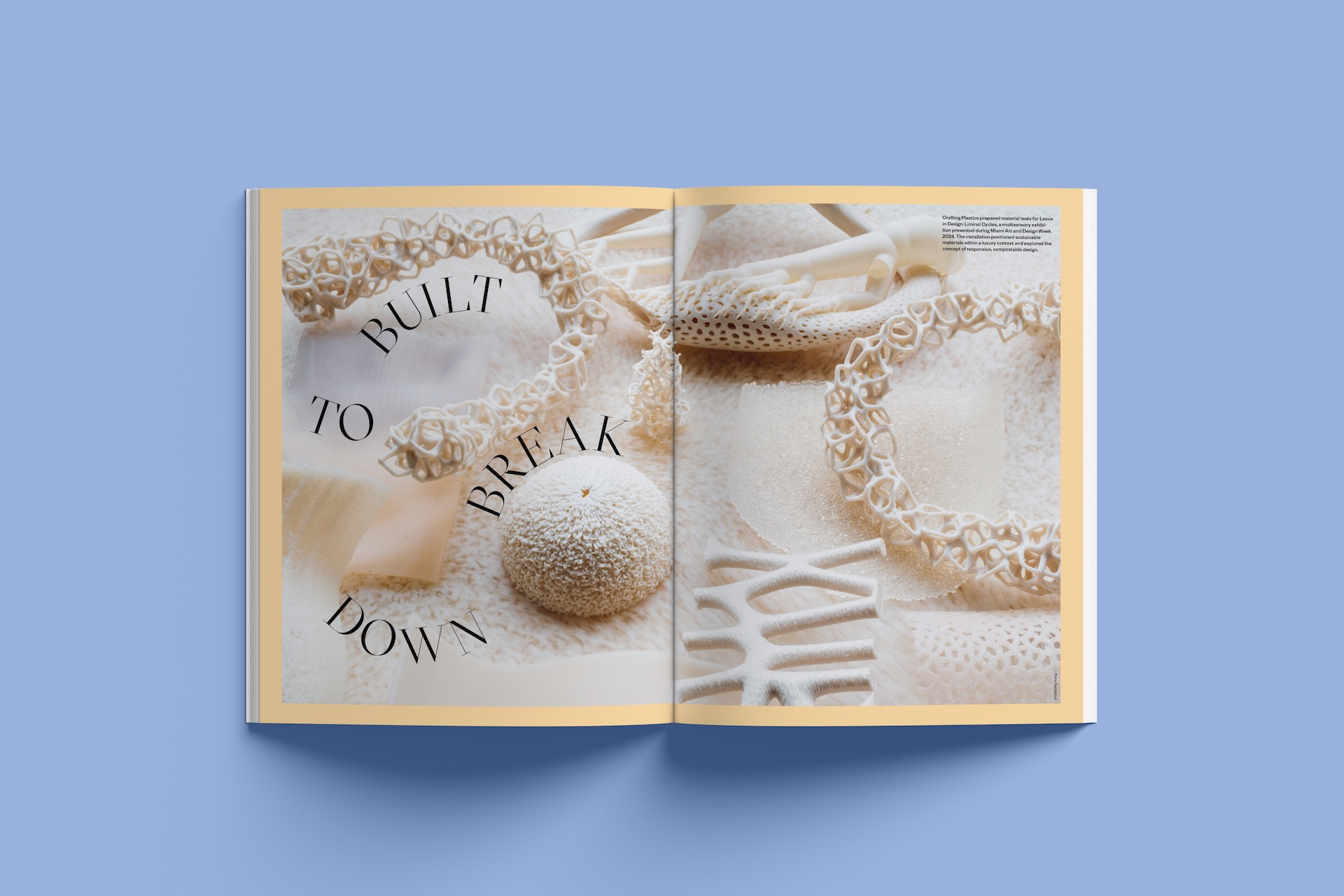
- Áö¼Ó°¡´É / Ä£È¯°æ ¼ÒÀç ¹× µðÀÚÀÎ

- È¯´ë °ø°£ ¹× ¸®Å×ÀÏ °ø°£ Çõ½Å

- »ç¿ëÀÚ Á߽ɠ°ø°£ °æÇè µðÀÚÀÎ

- ¹Ì·¡ °ø°£°ú ±â¼ú À¶ÇÕ (µðÁöÅÐ, ½º¸¶Æ® ÀÎÅ׸®¾î)


6) ÀâÁöȰ¿ë±³À° (MIE: Magazine in Education)


- °ø°£ µðÀÚÀΠ¼ö¾÷ ÀÚ·á: ÇÁ·ÎÁ§Æ® »ç·Ê ºÐ¼®

- Àç·á / ¼ÒÀç ¼ö¾÷: Goods ¼½¼Ç È°¿ë

- µðÀÚÀΠºñÆò ¼ö¾÷: Features ±â»ç Åä·Ð

- ½Ã°¢ ¹®È­ ¼ö¾÷: ·¹À̾ƿô ¹× À̹ÌÁö ºÐ¼®

- Çлý ÇÁ·ÎÁ§Æ®: ÀâÁö ¼Ó °ø°£ ÀçÇØ¼® °úÁ¦

- »ê¾÷ ±³À°: °ø°£ µðÀÚÀΠƮ·»µå ¹× ¹ßÀü ¹æÇâ ÇнÀ

ÀâÁöÇ¥Áö


ÀâÁö
¼Ò°³
¹ßÇà
¹è¼Û
Ç¥Áö
¸ñÂ÷
ÀâÁö
¸Àº¸±â
»çÀºÇ°
 
»çÀºÇ°ÀÌ ¾ø½À´Ï´Ù.


ÀâÁö
¼Ò°³
»çÀºÇ°
¹ßÇà
¹è¼Û
Ç¥Áö
¸ñÂ÷
ÀâÁö
¸Àº¸±â
¹ßÇà¹è¼ÛÁ¤º¸
 
Á¤°£¹°¸í
Frame ÇÁ·¹ÀÓ (³×´ú¶õµåÆÇ)
¹ßÇà»ç
Frame Publishers
¹ßÇàÀÏ
ºÎÁ¤±âÀû (24³â ±âÁØ 2, 4, 6, 9, 12 ¿ù ÀÔ°í)
¹è¼Û¹æ½Ä
¹ßÇà»ç¿¡¼­ Á÷Á¢ ¹è¼Û ( ¿ìÆí )
ÆÄ¼Õ ¹×
ºÐ½Çó¸®
ÆÄ¼ÕÀº ¸Â±³È¯, ºÐ½Ç ¹× ¹è¼Û»ç°í¿¡ ´ëÇØ¼­´Â Àç¹ß¼Û ó¸®
Àç¹ß¼Û ¹æ½Ä
Åùè
ÇØ¿Ü¹è¼Û
ºÒ°¡ (ÇöÀç´Â ÇØ¿Ü¹è¼Û ¼­ºñ½º°¡ Áö¿øµÇÁö ¾Ê½À´Ï´Ù.)
¹è¼Û´©¶ô
¹è¼ÛÁöº¯°æ
°í°´¼¾ÅÍ·Î ¹®ÀÇ ¹Ù¶ø´Ï´Ù.
(¢Ï 02-6412-0125 / nice@nicebook.kr)
À¯ÀÇ»çÇ×


¡Ø ȯºÒ/ÁßµµÇØÁö °øÁö
ÇØ¿Ü Á¤±â±¸µ¶Àº ÇØ¿Ü¿¡ ¼ÒÀçÇÑ °¢ ¹ßÇà»ç¿¡ ¸ðµç ´ë±ÝÀÌ °áÁ¦µÈ ÈÄ ÀâÁö°¡ ¹è¼ÛµÇ´Â ½Ã½ºÅÛÀ¸·Î, ÇØ¿ÜÀâÁö¸¦ ½ÅûÇÏ´Â ¾÷¹« ÀÚüµµ ó¸® ½Ã°£ÀÌ ¸¹ÀÌ °É¸®°í, ±¸µ¶Ãë¼Ò/º¯°æ½Ã ÇØ¿Ü¹ßÇà»çÀÇ ±ÔÁ¤, ÇØ´ç ±¹°¡ÀÇ ±ÔÁ¤ µîÀÌ »óÀÌÇÏ¿© ±¸µ¶Ãë¼Ò ¹× º¯°æÀÇ ¾î·Á¿òÀÌ ÀÖÀ¸¹Ç·Î ½É»ç¼÷°íÇÏ¿© ±¸µ¶½ÅÃ»ÇØÁֽñ⠹ٶø´Ï´Ù.


¡Ø ¹è¼ÛÀÏÀÌ °øÈÞÀϰú °ãÄ¥ °æ¿ì Áö¿¬µÇ¾î ´Ê°Ô ¹è¼ÛµÉ ¼ö ÀÖ½À´Ï´Ù.

   ÇØ¿ÜÀâÁöÀÇ °æ¿ì ÇöÁö ³» ¿î¼Û »óȲ¿¡ µû¶ó ±¹³» ÀÔ°í°¡ ´Ê¾îÁú ¼ö ÀÖ½À´Ï´Ù.


 - ÁÖ¼ÒÁö°¡ º¯°æµÇ¼ÌÀ» °æ¿ì ¼ö·ÉÀÚ°¡ Á÷Á¢ ÁÖ¼Òº¯°æÀ» ½ÅÃ»ÇØÁÖ¼¼¿ä.

   ³ªÀ̽ººÏ °í°´¼¾ÅÍ : 02) 6412-0125~9 / nice@nicebook.kr


±³È¯¡¤
ÇØÁö¡¤
ȯºÒ
¾È³»

±³È¯
Á¦Ç° ÇÏÀÚ(ÈѼÕ)½Ã ±³È¯°¡´É

ÁßµµÇØÁö/ȯºÒ
ÇØ´ç ¹ßÇà»ç Á¤Ã¥¿¡ µû¶ó ÁßµµÇØÁö °¡´ÉÇϰí
º°µµÀÇ ÁßµµÇØÁö¼ö¼ö·á°¡ ¹ýÁ¤ 10% ¹ß»ý

ȯºÒ/±³È¯ºÒ°¡
Á¦Ç°ÀÇ ¹ßÇà»ç °Ñ Æ÷ÀåÁö °³ºÀ½Ã,
¹Ýǰ±âÀÏ(7ÀÏ À̳»)ÀÌ Áö³­ °æ¿ì

¹Ýǰ/±³È¯ºñ¿ë
º¯½É ȤÀº ±¸¸ÅÂø¿À·Î ÀÎÇÑ ¹Ýǰ/±³È¯Àº ¹Ý¼Û·á °í°´ ºÎ´ã

ȯºÒÀýÂ÷
¿äûÀϷκÎÅÍ 3~7ÀÏ Á¤µµ ¼Ò¿ä
Ä«µå°áÁ¦: Ãë¼Ò ÈÄ Ä«µå»ç¿¡¼­ 1~2ÀÏ Á¤µµ ¼Ò¿ä
Çö±Ý°áÁ¦: °èÁ·ΠȯºÒ ó¸® ¶Ç´Â ¿¹Ä¡±ÝÀ¸·Î Àüȯ ÈÄ Çö±Ýó·³ »ç¿ë

ºÐ½Ç/¹è¼Û
AS¹®ÀÇ

¹è¼Û»ç°í·Î ´©¶ôÀÌ µÇ°Å³ª ¹è¼Û»ó¿¡ ¹®Á¦°¡ »ý±æ °æ¿ì,
³ªÀ̽ººÏ¿¡¼­´Â ±¸µ¶ÀÚ¸¦ ´ë½ÅÇÏ¿© °¢°¢ÀÇ ÇØ´ç ÀâÁö»ç¿¡
¹è¼Û»ç°í¸¦ Å뺸Çϰí, Àç¹ß¼Û¿äûÀ» ÅëÇØ
¹®Á¦¸¦ ½Å¼ÓÇÏ°Ô ÇØ°áÇØµå¸³´Ï´Ù.

³ªÀ̽ººÏ °í°´¼¾ÅÍ
ÀüÈ­   02) 6412-0125~9
ÆÑ½º   02) 6412-0134
À̸ÞÀÏ   nice@nicebook.kr


ÀâÁö
¼Ò°³
»çÀºÇ°
¹ßÇà
¹è¼Û
Ç¥Áö
¸ñÂ÷
ÀâÁö
¸Àº¸±â


Frame ÇÁ·¹ÀÓ (³×´ú¶õµåÆÇ) (°Ý¿ù°£/1³â)
ÃÖ½ÅÈ£


FRAME's design director, Barbara Iwanicka, explores how designing and living with care can create true longevity.

There is a story by Stanislaw Lem called Return from the Stars; astronaut Hal Bregg returns to Earth after a decade-long mission that, because of time dilation, has spanned more than a century back home. Everything he finds seems unfamiliar. Humanity has transformed: violence, aggression and even daring have been eliminated through a medical process called betrization. People now live long, safe, comfortable lives, yet this comfort comes at a cost; caution, passivity and the disappearance of ambition. What a paradox of longevity: when life is extended and danger removed, urgency and creativity diminish. Where, then, is the meaning of life?

This tension also emerges in Bregg¡¯s reflections on design and architecture. Encountering a city, he wonders: 'Was this still architecture, or already the building of mountains? They must have understood that once certain limits are crossed, one must give up symmetry, the regularity of form, and learn from what is greatest, the most perceptive pupils of the planet!' Lem suggests that true creativity does not lie in sterile order but in learning from nature¡¯s asymmetry and surprise. It is a lesson in embracing unpredictability, in seeing the extraordinary in what defies convention. Who wouldn¡¯t agree?

It is heartening to see how the projects in this issue embrace learning and a reverence for the natural world, reminding us that true longevity lies in living and creating with care. There is a sense of inclusion, not only amongst people but also between humans and everything else with which we share the planet. The way these projects approach the environment is striking – it feels less about rules or restrictions and more about care, about creating things that restore rather than deplete. To me, this embodies a future worth leaning into: one where sustainability is not experienced as a duty but as a conscious, joyful way of living.

Like in past issues, we have introduced an additional typeface. We did not want an entirely new font; instead, we wanted something we have used before. We wanted a font that still resonates with us and reflects the theme of longevity. We settled on GT Sectra, a typeface used in FRAME¡¯s architectural publication, Mark. Designed by Christian Schwartz, Timo Gaessner and Noël Leu, Grilli Type¡¯s GT Sectra is a contemporary serif that balances historical continuity with aesthetic innovation. Rooted in calligraphic structures yet marked by angular incisions, it operates as a semiotic bridge: invoking the authority and permanence of classical serif traditions while simultaneously signaling a sharper, more contemporary editorial voice. In the design, this duality allows Sectra to function as more than mere vessel for content; it becomes a rhetorical device that shapes the reader¡¯s perception of tone and cultural positioning. Its refusal of neutrality – the way its sharpness interrupts the flow of the stroke – ensures memorability while sustaining a sense of permanence.

There is something profoundly reassuring in witnessing how this issue¡¯s projects engage with the idea of longevity. As care, attention and mindful creation. I can¡¯t think of better conclusion to this, or any issue, than the question posed by FRAME¡¯s editor at large, Tracey Ingram: what do you want to leave behind?

 
°ú¿ùÈ£


In my ten plus years at FRAME – and throughout its existence – FRAME has deliberately avoided political commentary, with the occasional column taking a more critical tone. In general, our focus has always been on spatial design, and we judge spaces by their design credentials. Over time, however, these credentials have come to encompass increasingly complex and charged project attributes – ones that are inherently linked to broader societal shifts, expectations and sentiments. To name but a few: sustainability is inseparable from governance; wellbeing is indivisible from the welfare state; and inclusivity is inextricably linked to social hierarchy.

In addition, and because of our global scope, the (messed up) state of the world has sparked more than one discussion about what projects – from where and by whom – should or shouldn¡¯t be published. Which visions are we indirectly supporting? And what knowledge and information do we lack to make truly informed decisions? Complex questions that made us realize that creative practice is never neutral. It¡¯s a realization shared by some of the studios featured in this issue. In our Ones to Watch section, London-based collective Urban Radicals explains why it sees design as inherently political, firmly believing that design is often a reflection of contemporary thought, writing, ideology and the state of democracy. Sharing the O2W spotlight, Spanish studio Hanghar explains that interiors are ¡®shaped by and reflect the social, political and economic systems that define our built environment¡¯. Founder Eduardo Mediero says that ¡®the design of domestic spaces in particular can reflect wider power structures and economic hierarchies¡¯ and that ¡®in most market-driven housing models, the interior is organized according to capitalist principles of ownership and profit¡¯. As such, designing interiors that reject market-driven norms and resist financialization can be a form of political resistance.

What also became clear in making this issue is that if we, as design media, are here to support creative practice, we have an opportunity to consciously give a platform to those who want to make the world a better place. And to those who, through their practice, ensure that the voices of the oppressed and marginalized are not only heard but lead to visible and meaningful results. Case in point is London-based POoR Collective, which believes there¡¯s power in what young people have to say, yet they¡¯re rarely consulted in the design of the city. Through co-design and community engagement, POoR is working to bridge this gap, with a consistent focus on delivering tangible results on the ground. As well as young people, the underrepresented groups and unheard voices consulted for the projects featured on the following pages include refugees, colonized communities, older adults, women, trans and non-binary individuals, non-human species, and more.

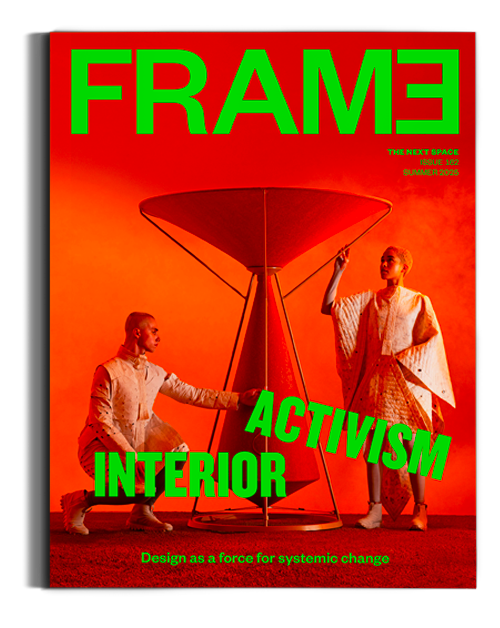
As we state on our cover: Design can be a force for systemic change, a form of protest against outdated regulations that impede progress. If you ask the designers and architects who share their visions in this edition of FRAME, there are many systems in desperate need of an overhaul. Education, for one. Architect-activist Zarith Pineda of Territorial Empathy, whose words will stay with you, proactively challenges systems – both societal and within

the fields of architecture, design and urbanism – that reinforce entrenched prejudices and stifle the ambitions of emerging design talent. ¡®I studied architecture hoping to build beauty and sanctuary,¡¯ she says. ¡®But what I found was an industry plagued by God complexes, elitism and a severe lack of intersectionality. The curriculum romanticizes form over function, theory over equity. It trains architects to ignore the systems they¡¯re embedded in: redlining, settler colonialism and environmental racism.¡¯

My colleague Kayla Dowling could not have put it more poignantly: ¡®At a time when designing to perpetuate inequality is as active a choice as designing for justice, all designers have to choose: to be agents of progress or upholders of the status quo.¡¯ This issue argues for the former – in a just, ethical and activist way.

 
°ú¿ùÈ£
 
 
°ú¿ùÈ£
 
 
°ú¿ùÈ£


ÀâÁö
¼Ò°³
»çÀºÇ°
¹ßÇà
¹è¼Û
Ç¥Áö
¸ñÂ÷
ÀâÁö
¸Àº¸±â
 
¸Àº¸±â ±â»ç°¡ ¾ø½À´Ï´Ù.